Anglais
 Arabic
Sex, God & Drugs
Ever since our existence, sex, now and then, comes into conversations between people, and feeling of weirdness and surprise instinctively comes with. Although life rose from reproduction and can’t perdure without it (cf. my 1st article), we were taught to avoid it, and even learnt to dread it. But why should one fear crucialities as important as food and drink for survival?
Every unfamiliar and unwelcoming moment of our lives was marked by people calming us with the idea of an imminent explanation, or reward, from an entity we called ‘god’. Even before Him being a unity and merely a mind-refuge, god was a multiplicity and more of a ‘feared’ answer to mysteries. Always using the same logic, if god is the answer for everything, why continue on asking? And if he’s going to reward us, why do we keep on verbalizing his indisputable motives for doing so? If the delivery is on its way, why preach your friends in the mean time that the food is coming, you’re going to eat and that the pizza will be delicious?
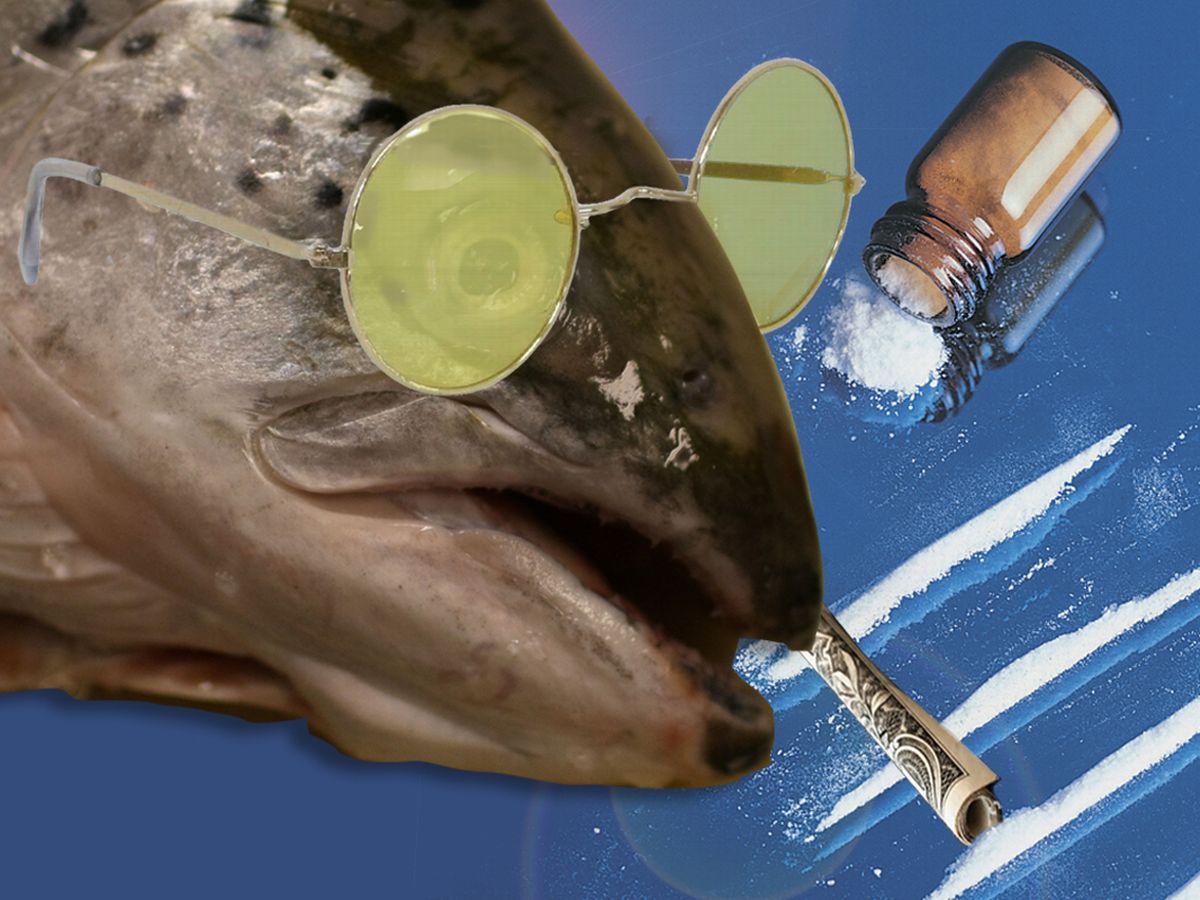
Every occasion, now and again, gets characterized by a didactic prelude from parents on how macabre and disgusting it is to use drugs, or on the possibility of getting drugged by friends. Knowing that drugs –including money gambling and sugars– give unearthly pleasure, and that humans live their lives aiming for such state of pleasure and confort, why is reality paradoxically disproving expectations? Spelled out, why the path towards happiness leads to addiction agony and death? The answer to all of these questions is one: human brains are architected to fear disobeying the laws of nature. Specifically, our brain is insisting on using pleasure for its original purpose of ‘accelerating perfecting survival’ due to our insatiable physiological motor, addiction (cf. my 2nd and 3d articles) .
Sex, god and drugs are the simplest sources of gratification known to Man, so getting used to their pleasure will be extremely fast, coaxing you into pathological addiction, frustration and ultimately, death. But because they’re simultaneously vital necessities, poising them seemed difficult to Nature, so it counted on us to do so; particularly, on human society.
If early humans spent their time masturbating, they’ll die of loneliness, frustration and self-negligence; likewise, if we enabled kids to discover and invest in themselves, they’ll naively succumb to their instincts, leading to delayed growth and deficient survival capacities; this should explain why sex evolved to be taboo. Because gods are simple ideas that silence our annoying urgency to know, reason and adapt, it’s thus calming to answer questions with a relatively persuading answer; but this satisfaction will shortly turn into frustration when tolerance kicks in. For that, we started adding rituals and fabulations to increase the complexity and, therefore, ‘soothing rationality’ to our beliefs, until they established religions. Lastly, drugs target the neurological pathway of addiction: the brain enters into the illusion that this pleasure is pro-survival, so it tolerates the situation and demands more drugs and body/mind engagement to keep this sham-benefit coming. And when demand isn’t met, frustration emerges, accompanied by pathological addiction.
It should become obviousness why it’s abnormal to force oneself to stop or plateau the activity of these versions of physiological addiction; and why rape, Arabic men and ISIS & co. bloomed throughout centuries. But what if, conversly, there’s nothing to get addicted to? Depression will be tackled in another article.