
Artificial Intelligence and Education: Towards a New Pedagogical Paradigm in the Arab World
Artificial Intelligence and Education: Towards a New Pedagogical Paradigm in the Arab World
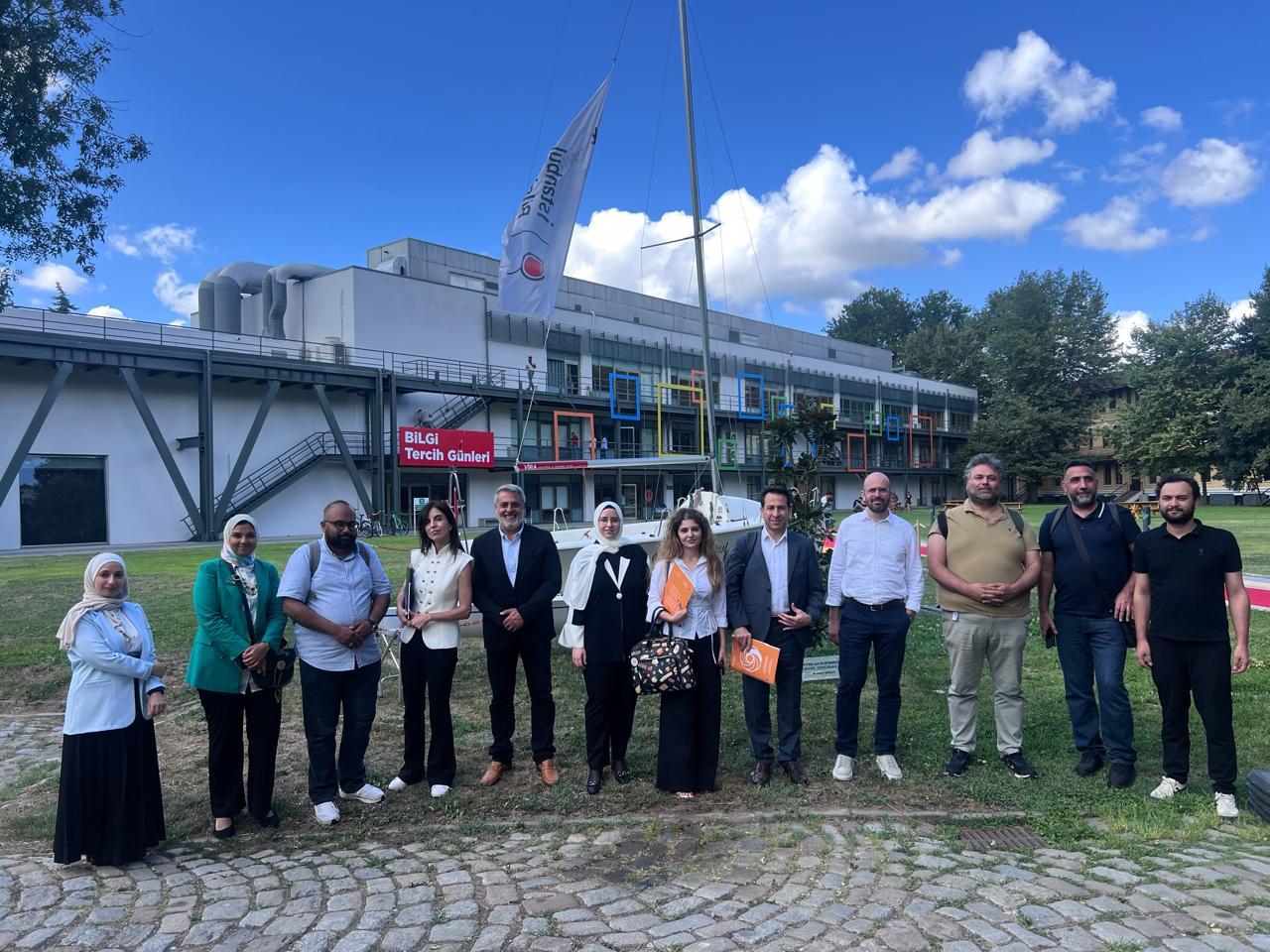
23–24 July 2026 | Istanbul, Türkiye, Bilgi University
The conference (as part of the Arab master in democracy and human rights program) brought together researchers, academics, and education stakeholders to examine how artificial intelligence is reshaping teaching, learning, assessment, and educational governance in the Arab world. Discussions emphasized that AI is not merely a technological tool, but a force that raises interconnected epistemic, ethical, and ecological challenges.
Three main themes guided the conference. The first focused on access and equity. Participants stressed that equal access does not necessarily lead to equal benefit, particularly when students differ in digital literacy, prior knowledge, and critical-thinking skills.
The second theme addressed quality, curriculum, and assessment. Discussions called for integrating AI literacy, critical thinking, data reasoning, creativity, and ethical awareness into core curricula. Participants also emphasized the need to redesign assessment through authentic tasks, oral defense, reflection, project work, and evidence of students’ reasoning processes.
The third theme examined governance, and data protection. Stronger policies, transparent procurement, teacher professional development, and greater investment in local research were identified as priorities.
Overall, the conference called for a human-centered pedagogical paradigm in which AI supports rather than replaces thinking, strengthens teacher judgment, protects learner agency, and contributes to a more equitable and future-ready education system in the Arab world.