Clara Chehwan
Related Articles
Avec l’épuisement des énergies fossiles et la volonté d’explorer des énergies renouvelables et plus durables, des questions se posent quant aux options dont nous disposons : du solaire à l’éolien, en passant par le nucléaire, l’une des solutions les plus prometteuses réside dans les énergies marines renouvelables (EMR).
En effet, contrairement à l'éolien terrestre ou au solaire, la mer offre une diversité de sources d'énergie beaucoup plus vaste :
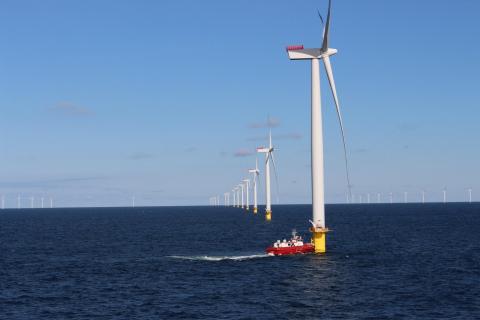
D’abord, l’éolien en mer : bien que cette technique semble dépendre complètement de l’énergie éolienne, les turbines peuvent être installées sur des plates-formes flottantes ancrées par des câbles au fond de la mer. Mais pourquoi faire l’effort de mettre des éoliennes en mer alors que nous pouvons les installer sur terre ? Effectivement, sur terre, le vent rencontre des obstacles comme les arbres, les collines et les bâtiments. Ces obstacles créent des frottements qui ralentissent le vent et, surtout, créent de la turbulence. Alors qu’en s’éloignant des côtes, le vent est plus stable et plus fort.
Ensuite, l’énergie hydrolienne : son fonctionnement ressemble à celui des éoliennes mais elles sont sous-marines. L'eau étant beaucoup plus dense que l'air, une petite hydrolienne peut produire autant qu'une grande éolienne.
Puis, l’énergie marémotrice : elle met à profit la variation du niveau de la mer. Lorsque la marée monte ou descend, l'eau passe à travers des turbines pour générer de l'électricité.
Après, l’énergie houlomotrice : elle capte l'énergie mécanique produite par le mouvement de surface des vagues, un mouvement ondulatoire régulier et continu appelé houle.
Enfin, l’énergie thermique des mers : elle exploite la différence de température entre les eaux de surface (chaudes) et les eaux profondes (froides) des zones tropicales. Cette différence permet de faire fonctionner une machine thermique qui produit de l'électricité 24h/24, contrairement au vent ou au soleil.
Cependant, face à cette grande diversité d’opportunités marines, les défis restent de taille. En effet, la mer est considérée comme un environnement assez « hostile » pour la technologie : les coûts d’installation sont très élevés et leur entretien est tout aussi cher. Pareillement, il ne faut pas oublier la fragilité des écosystèmes marins ! Il est certes important de produire des énergies renouvelables durables, mais il faut s’assurer qu’elles ne perturbent pas notre patrimoine marin.
N’oublions pas que plus de 50 % de l'oxygène que nous respirons est produit par les océans, principalement par le phytoplancton. De plus, l’océan absorbe environ 25 % du CO2 émis par les activités humaines et nourrit plus de 3 milliards de personnes. Alors, utilisons les ressources précieuses offertes par notre planète tout en agissant comme ses gardiens.
Les énergies marines renouvelables : l’avenir de la transition énergétique
When hearing about the sharp rise in obesity and cardiovascular diseases from processed food, sugar, soda, and sedentariness, people have started searching for alternative diets to promote a healthy and fulfilling life. However, the abundance of diet profiles has made it hard to figure out which diets will work, if a diet is healthy, and if that diet will help in the long run. This can easily become overwhelming, and demotivating for the person who wants to pursue a healthy lifestyle.
One diet that stands out for being unusual yet effective is the Mediterranean diet. Beyond the plate, this diet is more of a nutritional philosophy based on the traditional eating habits of people living in the countries bordering the Mediterranean Sea.
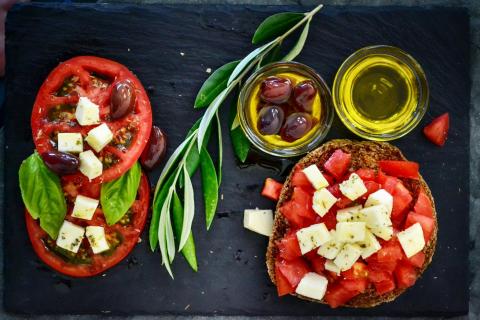
It is a diet rich in vegetables (tabbouleh, Fattoush), fruits, whole grains (burghul, whole-wheat bread) , legumes (lentils, chickpeas, beans), that moderates dairy, proteins and poultry, while olive oil is used as the primary source of fat instead of butter and margarine; and the heavy salt is replaced with flavorful herbs and spices (zaatar, sumac, garlic, caraway, turmeric).
More than a meal plan, the uniqueness of the Mediterranean diet resides in its “secret” ingredients: the conviviality of the Mediterranean people shines by eating slowly while sharing meals with family and friends (reducing stress hormones); and regular, natural movement (walking to the market, gardening) rather than just intense gym sessions are the two non-dietary pillars in this diet.
This simple looking yet fruitful diet has become famous in medicine for its many advantages. In fact, the data behind this diet is quite impressive as shown in the “PREDIMED study” that meticulously studied the Mediterranean diet in Spain from 2003 to 2011 proving this diet can: reduce the risk of cardiovascular events like heart attacks, strokes, and hypertension by nearly 30%, lower systemic inflammation – measured by C-reactive protein – and provide neuroprotective benefits, potentially slowing cognitive decline.
To sum up, a healthy lifestyle consists of a balanced diet and moderate physical activity, neither of which needs to be overthought. So next time you get overwhelmed by the amount of diet options on the internet or think a diet needs to be complex to be healthy, you might want to look back at the Mediterranean diet which has proved to be one of the best in the world thanks to its simplicity.
The Mediterranean Diet: Blending Nutrition and Lifestyle
Globalization today is thriving more than ever. Through the exchange of goods, services, information, and culture, the world is becoming increasingly interconnected. One major aspect of this global integration is immigration: today, there are approximately 304 million international migrants worldwide. However, as people move across borders, the cultural richness that globalization promises is often lost, especially when immigrants gradually disconnect from their heritage.
People immigrate for many reasons, often shaped by a mix of push factors that drive them away from their home country (like conflict or poverty) and pull factors that attract them to another country (such as job opportunities or safety). The most common motivation is economic opportunity. Yet, with each generation, immigrants may begin to lose pieces of their cultural identity.
Language is often the first element to fade. Children of immigrants frequently speak the dominant local language better than their parents' native tongue, which may eventually disappear from daily life. When language is lost, traditional songs, stories, jokes, and even values become harder to pass on.
Immigrants also face pressure to “fit in” with the dominant culture to avoid discrimination or exclusion. While cultural adaptation is essential for integration, it often comes at the cost of leaving behind important traditions, such as native foods, religious practices, clothing, or holidays. Over time, these aspects may be abandoned, especially when there is little support or understanding in the host country.
Additionally, the demands of building a new life in a foreign land can leave little room for cultural preservation. Long work hours, financial stress, and limited access to traditional resources may push families to adopt more convenient, mainstream lifestyles, such as replacing traditional recipes with fast food.
Yet, while some encourage full cultural assimilation, it is crucial to preserve one’s roots. Cultural fusion, when done with respect, can promote mutual understanding, reduce prejudice, and spark creativity. Blending cultures often leads to innovation in food, music, art, and ideas. Moreover, cultural diversity strengthens global connections and helps individuals develop empathy and open-mindedness.
In the end, cultural diversity is like a mosaic: each piece adds beauty, depth, and meaning. Immigrants should not feel pressured to erase their heritage. Instead, their cultural identity should be embraced, not only for themselves but for the benefit of the society they join. Globalization is not about uniformity; it is about connection without losing individuality.
Blending In Without Fading Out: A Challenge Faced by Immigrants
يشهد لبنان معركةً سياسيةً محوريةً: الانتخابات البلدية والمختارة.
فإلى جانب انتخاب رئيس جديد للجمهورية، تفتح الانتخابات البلدية الباب أمام وجوه جديدة وشعور متجدد بالأمل لدى الشعب اللبناني بعد سنوات من الشّدائد.
تُجرى الانتخابات البلدية في لبنان كل ستّ سنوات. ومع ذلك، فقد تم تأجيلها في عام 2022 ومرة أخرى في عام 2023 عندما أقر البرلمان التمديد لمدة أعوام لأسباب ماليّة. وقد أتاحت الهجمات الإسرائيلية على جنوب لبنان المستمرة مع حزب الله فرصة للفصائل السياسيّة للدعوة إلى تأجيل ثالث. ومع ذلك، فإن تأجيلاً آخر للانتخابات البلدية من شأنه أن يضعف بشكل كبير الديمقراطية المحلية ويقضي على ما تبقى من ثقة الجمهور. ولهذا السبب تم وضع ثلاث ركائز مهمّة لضمان: إجراء الانتخابات البلدية.
في نيسان 2024، مدّد مجلس النواب اللبناني ولاية المجالس البلدية حتى موعد أقصاه 31 أيّار 2025، محددًا بذلك موعدًا نهائيًا للانتخابات.
في شباط 2025، أكّد وزير الداخليّة التزام الحكومة بإجراء الانتخابات في موعدها المحدّد.
وفي نيسان 2025، عارض رئيس مجلس النواب نبيه بري بشدّة أي تأخير إضافيّ، معلنًا أنّ التأجيل "غير وارد":
ستُجرى الانتخابات في المواعيد التالية:
أيار 2025: جبل لبنان 4
أيار 2025: شمال لبنان وعكار 11
أيار 2025: بيروت، البقاع، وبعلبك – الهرمل 18
أيار 2025: جنوب لبنان والنبطية 25
وفقًا للقانون رقم 118/1977، يجب أن يكون المرشّح لبنانيًا منذ عشر سنوات على الأقل، وأن يكون قد أتمّ 25 سنة على الأقلّ يوم الانتخاب، وأن يكون متمتّعًا بحقوقه المدنيّة كاملة (لا أحكام قضائيّة في جرائم تمسّ بالشرف أو الآداب العامة)،وأن .يكون مسجّلًا على اللائحة الانتخابيّة للبلديّة التي ينوي الترشّح فيها. يجوز للمرأة المتزوجة الترشح في بلديّتها أو بلدية زوجها.
يجب تقديم طلبات الترشح إلى مكتب المحافظة المعني قبل عشرة أيام على الأقل من موعد الانتخابات. يُسمح بالانسحاب حتى خمسة أيّام قبل يوم الانتخابات. يجب أن تتضمّن الطلبات نسخة رقمية من السجل المدني الفردي للمرشح، ومستخرج من السجل العدليّ، ونسخة من القوائم الانتخابية مصدّقة من أمين لجنة فرز الأصوات، وإقرار ترشيح موثّق من كاتب العدل. يُطلب أيضاً إيداع مبلغ عشرة ملايين ليرة لبنانية.
يُصدر المحافظ إيصالاً عند تقديم الترشيح ولديه مهلة ثلاثة أيّام لقبول الترشيح أو رفضه مع تبرير ذلك. إذا لم يصدر أي قرار خلال تلك المدة، يُعتبر الترشيح مقبولاً تلقائياً. ثمّ يُنشر القرار علناً مع تقرير رسمي. ويجوز للمرشحين المرفوضين الطعن لدى مجلس الدولة خلال أسبوع واحد ويعفى من الرسوم والإجراءات الشكلية؛ وإذا لم يصدر قرار خلال خمسة أيام يعتبر الترشيح مقبولاً تلقائياً. أخيرًا، يجب نشر أسماء المرشحين المقبولين على باب البلدية.
بالرغم من حماسيّة هذه العمليّة، قد تشكّل الخلافات الدّاخليّة بين مختلف الأطراف حاجزًا مقلقًا ويبقى السؤال: هل ستكون هذه أم عائق لازدهار الوطن الانتخابات بمثابة جسر عبور إلى الأفضل؟