


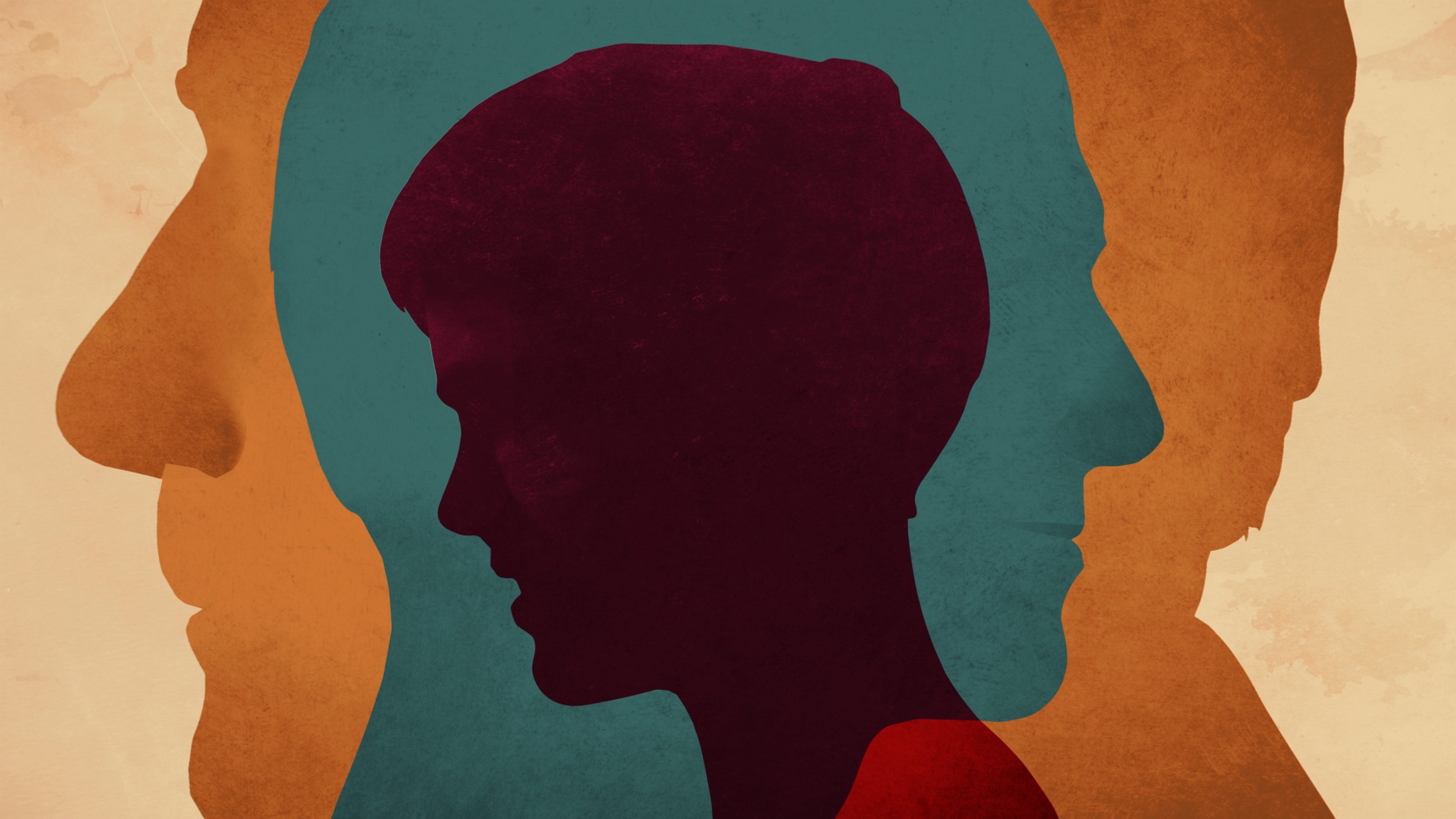
We often define the beginning and the end of a war by declarations and treaties, believing that once the parties have reached an arrangement the conflict is over, and we can all go back to our normal lives. Yet, from a psychological perspective, war cannot be reduced to its chronological boundaries. Its psychic effects often outlive its historical duration, persisting within individuals, families, and collective identities long after formal peace has been declared.
René Kaës argues that the human psyche is never purely individual but always embedded within what he calls the shared psychic space. We are born into networks of unconscious alliances shaped by the unresolved conflicts, losses, and silences of previous generations. When war occurs, it not only traumatizes those who directly experience violence; it destabilizes this intersubjective space. If the traumatic experience overwhelms the capacity for symbolization, meaning the ability to narrate, mourn, and integrate the event, it risks being transmitted in an unprocessed form.
Kaës describes this as negative transmission: what cannot be physically worked through by one generation is passed on to the next, not as explicit memory, but as affect, relational patterns, and defensive structures. Children may not inherit stories of battles, yet they often inherit the emotional climate shaped by war, such as hypervigilance, distrust, rigidity, or anticipatory fear. These responses, once adaptive in conditions of threat, become structuring principles of subjectivity in times of relative peace.
Nicolas Abraham and Maria Torok’s notion of the “phantom” further illuminates how unspoken trauma circulates across generations. Traumas that remain secret, unsaid, denied, or unacknowledged may lodge within descendants’ psyches as foreign presences, shaping anxieties and identity formations without conscious awareness of their origin.
War, then, becomes more than a past event; it becomes part of a society’s psychic architecture. When collective mourning is insufficient or absent, loss is not fully historicized. Instead of being remembered as the past, it continues to organize present reactions, political discourse, and social bonds.
Yet transgenerational transmission is not immutable. For Kaës, what is unconsciously transmitted can be transformed once it becomes thinkable. The work of symbolization, either through dialogue, historical work, or intergenerational engagement, allows trauma to shift from repetition to representation.
In psychological terms, war truly ends not with a treaty, but when its inherited effects are recognized, articulated, made sense of, and integrated into collective memory rather than unconsciously relived.
Many Lebanese have encountered forms of anger, polarization, or fierce loyalty to stories they never directly experienced. It may be time to question whether these reactions belong to our lived reality, or whether we are carrying emotional inheritances that were never consciously chosen.