


When hearing about the sharp rise in obesity and cardiovascular diseases from processed food, sugar, soda, and sedentariness, people have started searching for alternative diets to promote a healthy and fulfilling life. However, the abundance of diet profiles has made it hard to figure out which diets will work, if a diet is healthy, and if that diet will help in the long run. This can easily become overwhelming, and demotivating for the person who wants to pursue a healthy lifestyle.
One diet that stands out for being unusual yet effective is the Mediterranean diet. Beyond the plate, this diet is more of a nutritional philosophy based on the traditional eating habits of people living in the countries bordering the Mediterranean Sea.
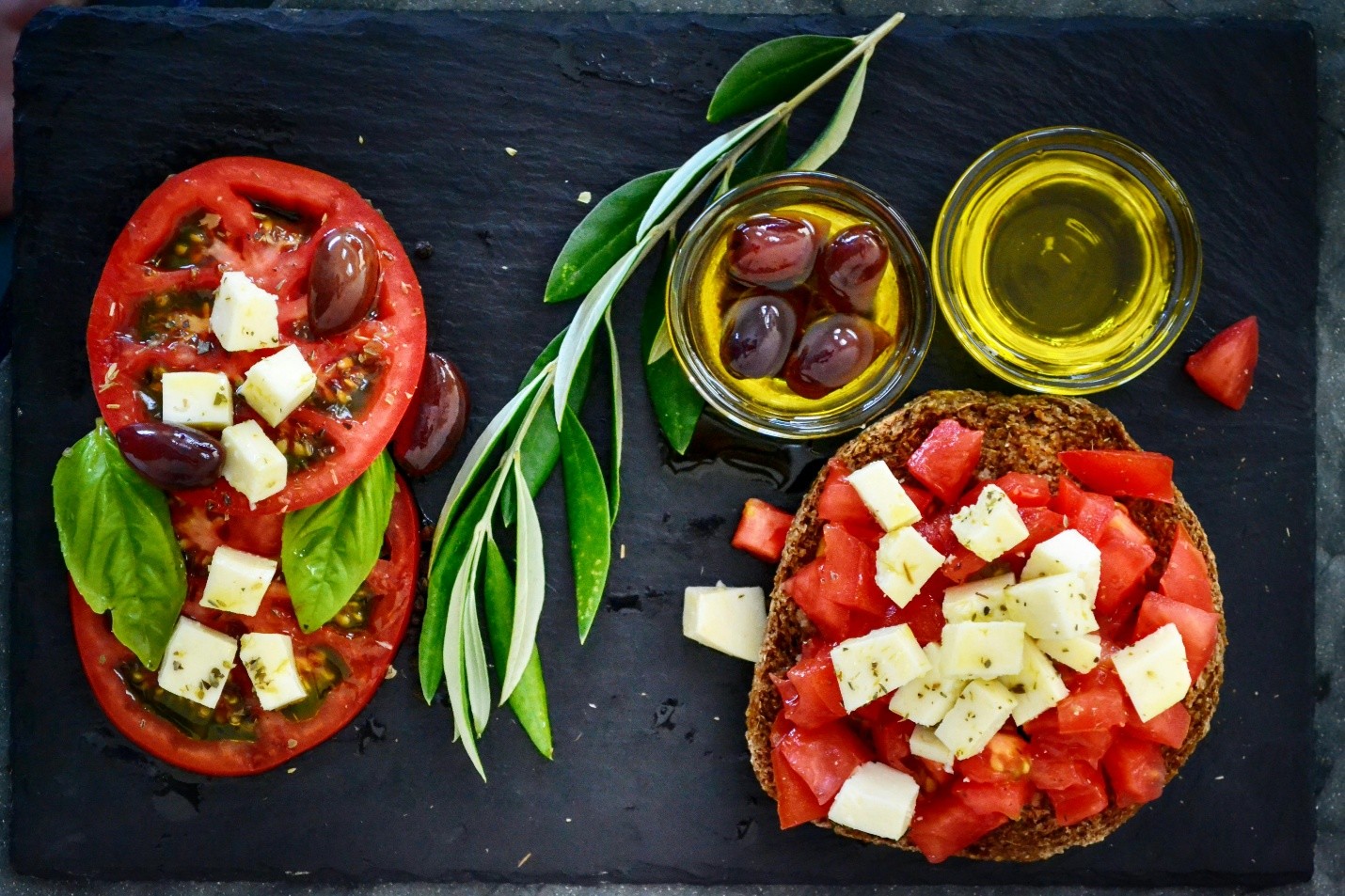
It is a diet rich in vegetables (tabbouleh, Fattoush), fruits, whole grains (burghul, whole-wheat bread) , legumes (lentils, chickpeas, beans), that moderates dairy, proteins and poultry, while olive oil is used as the primary source of fat instead of butter and margarine; and the heavy salt is replaced with flavorful herbs and spices (zaatar, sumac, garlic, caraway, turmeric).
More than a meal plan, the uniqueness of the Mediterranean diet resides in its “secret” ingredients: the conviviality of the Mediterranean people shines by eating slowly while sharing meals with family and friends (reducing stress hormones); and regular, natural movement (walking to the market, gardening) rather than just intense gym sessions are the two non-dietary pillars in this diet.
This simple looking yet fruitful diet has become famous in medicine for its many advantages. In fact, the data behind this diet is quite impressive as shown in the “PREDIMED study” that meticulously studied the Mediterranean diet in Spain from 2003 to 2011 proving this diet can: reduce the risk of cardiovascular events like heart attacks, strokes, and hypertension by nearly 30%, lower systemic inflammation – measured by C-reactive protein – and provide neuroprotective benefits, potentially slowing cognitive decline.
To sum up, a healthy lifestyle consists of a balanced diet and moderate physical activity, neither of which needs to be overthought. So next time you get overwhelmed by the amount of diet options on the internet or think a diet needs to be complex to be healthy, you might want to look back at the Mediterranean diet which has proved to be one of the best in the world thanks to its simplicity.